Gutters, hose bibs, furnace service, sump pumps and smoke alarms: the fall checklist that gets a NEPA home ready for winter.
It’s fall, y’all. The leaves are coming down, the furnace is about to start working hard, and a NEPA winter is a few weeks away. An afternoon or two of fall maintenance now prevents the calls nobody wants to make in January: a burst pipe, a flooded basement or a furnace that quits on the coldest night of the year.
We build homes in Lackawanna, Luzerne, Wayne and Susquehanna counties, and the same handful of fall tasks come up every year. Here they are in the order we would do them.

In Northeastern Pennsylvania, hard freezes usually arrive in late October or early November. Anything involving outdoor water should be done before then. Gutters are the exception: clean them after most of the leaves have fallen, which is often mid-to-late November, and do a quick early pass if you have big trees close to the house.
Clogged gutters overflow against the fascia and siding and dump water right at the foundation. In winter they hold ice and help create ice dams. Scoop out leaves and debris, flush each run with a hose and make sure every downspout runs clear. Downspouts should discharge at least four to six feet from the foundation, onto ground that slopes away from the house.
Our full guide covers this in detail: Leaves, Gutters and Ice Dams.
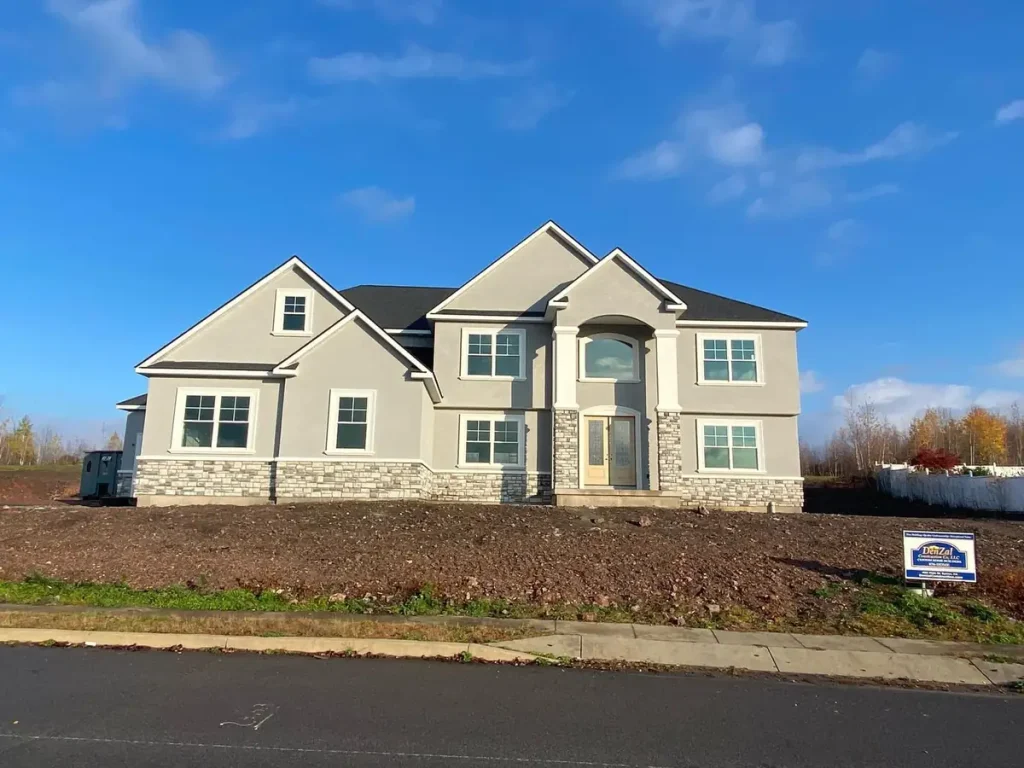
Disconnect every garden hose from its outdoor spigot, drain it and store it. This applies to frost-free spigots too. A hose left attached traps water in the valve, which can freeze and split the pipe inside your wall. You often don’t find out until spring, when you turn it on and water runs into the basement ceiling.
If your spigots have an indoor shutoff valve, close it, then open the outdoor spigot to let it drain. Shut off and blow out any irrigation system. The details are in How to Winterize Hose Bibs and Prevent Frozen Pipes.
Walk the perimeter. Soil should slope away from the foundation. Fill low spots where water pools against the house, and pull mulch and soil back so they don’t sit against siding. Seal visible cracks in the foundation, walkways and driveway before water gets in and freezes.

Book an annual tune-up with a licensed HVAC technician before the first cold snap. A technician will clean and inspect the burners, check the heat exchanger for cracks, test safety controls and measure combustion. That last point matters: a cracked heat exchanger or poor draft can put carbon monoxide into the house. Heat pumps need an annual check too.
Have the chimney inspected once a year and swept when needed, especially if you burn wood. Creosote buildup causes chimney fires. Check that the damper opens and closes fully, and that the chimney cap is in place to keep out animals and rain.
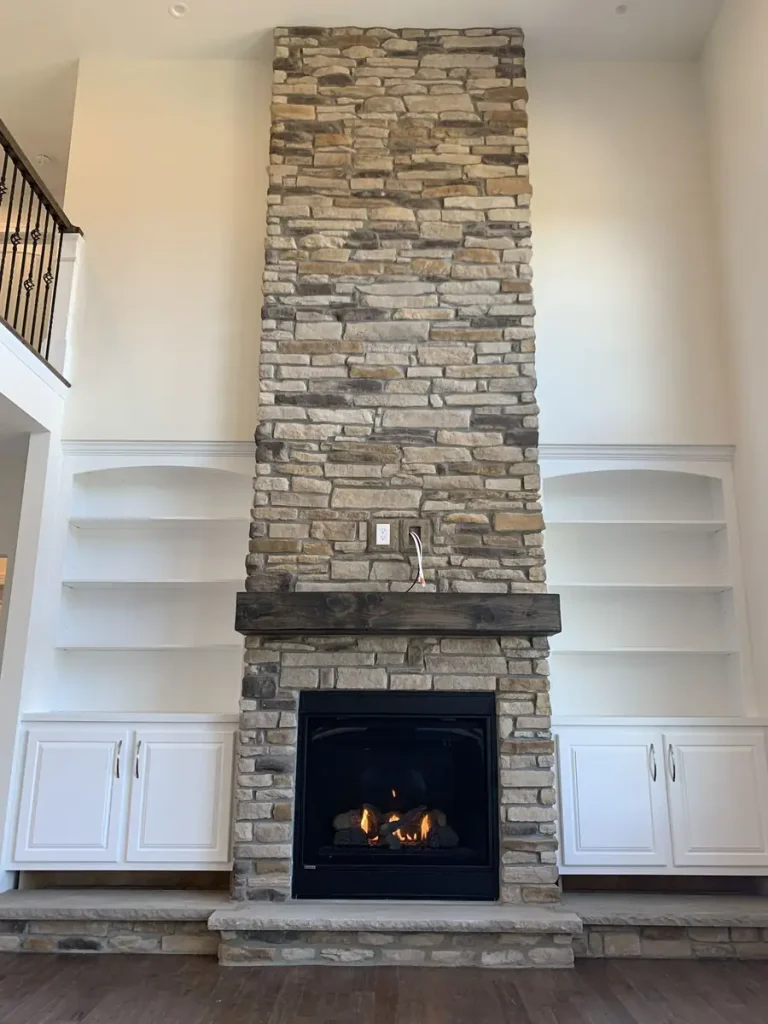
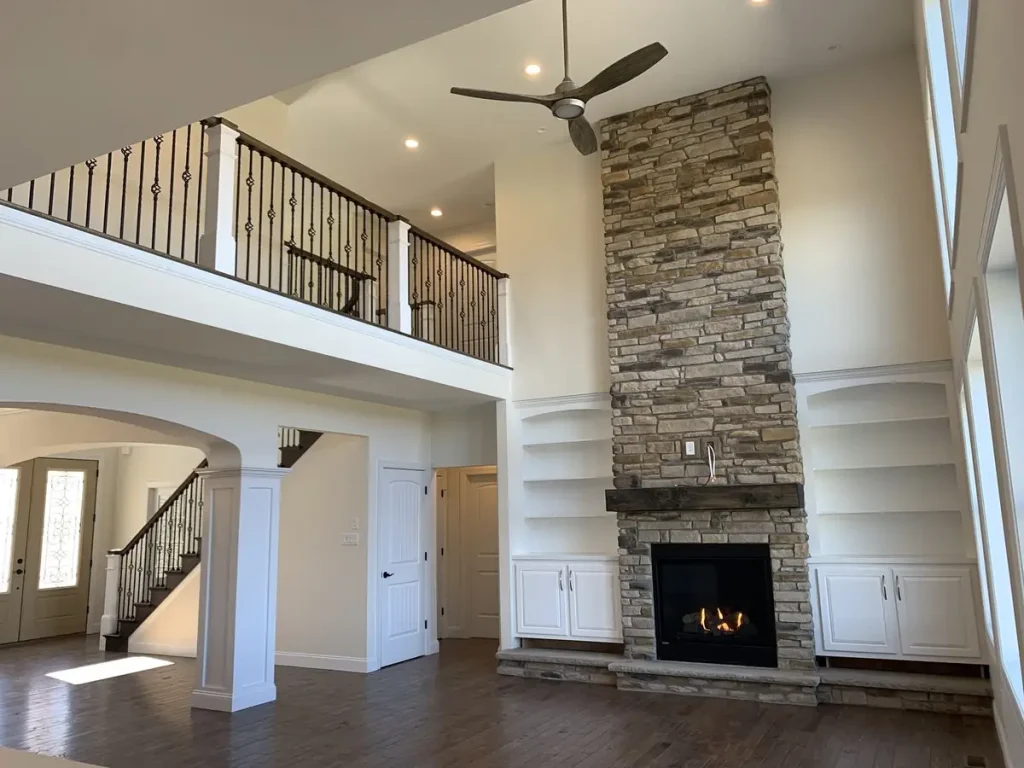
Fall rain and spring snowmelt are when a sump pump earns its keep. Pour a bucket of water into the pit and confirm the pump turns on, empties the pit and shuts off. Make sure the discharge line outside is clear and runs away from the house. If you have a battery backup, check the battery. More in The Fall Sump Pump and Basement Check.
Clean the lint out of the dryer duct and the outside vent hood, not just the lint screen. A clogged dryer vent is a fire risk and makes every load take longer.
Switch ceiling fans to turn clockwise at low speed. That pushes warm air down from the ceiling without creating a draft.
Press the test button on every alarm. Replace batteries in battery-powered units once a year. Check the date on the back: smoke alarms should be replaced every 10 years because the sensors lose sensitivity.
Any home with a gas, oil or propane appliance, a fireplace or an attached garage needs CO alarms near the sleeping areas. Test them, change batteries with your smoke alarms and replace units by the date on the label.
Keep one in the kitchen, one in the garage and one near the furnace. Check that the gauge needle is in the green and that everyone in the house knows where they are.
| Task | Who | When |
|---|---|---|
| Disconnect hoses, drain spigots | DIY | Before first hard freeze |
| Blow out irrigation | DIY or pro | Before first hard freeze |
| Furnace or boiler tune-up | Licensed HVAC pro | September–October |
| Chimney inspection | Certified chimney sweep | Before first fire |
| Clean gutters and downspouts | DIY or pro | After most leaves fall |
| Test sump pump | DIY | October |
| Test smoke and CO alarms | DIY | Now, then monthly |
| Change furnace filter | DIY | Now, then every 1–3 months |
| Re-caulk and weatherstrip | DIY | Dry day above 40°F |
| Clean dryer vent | DIY or pro | Once a year |
| Start snow blower | DIY | November |
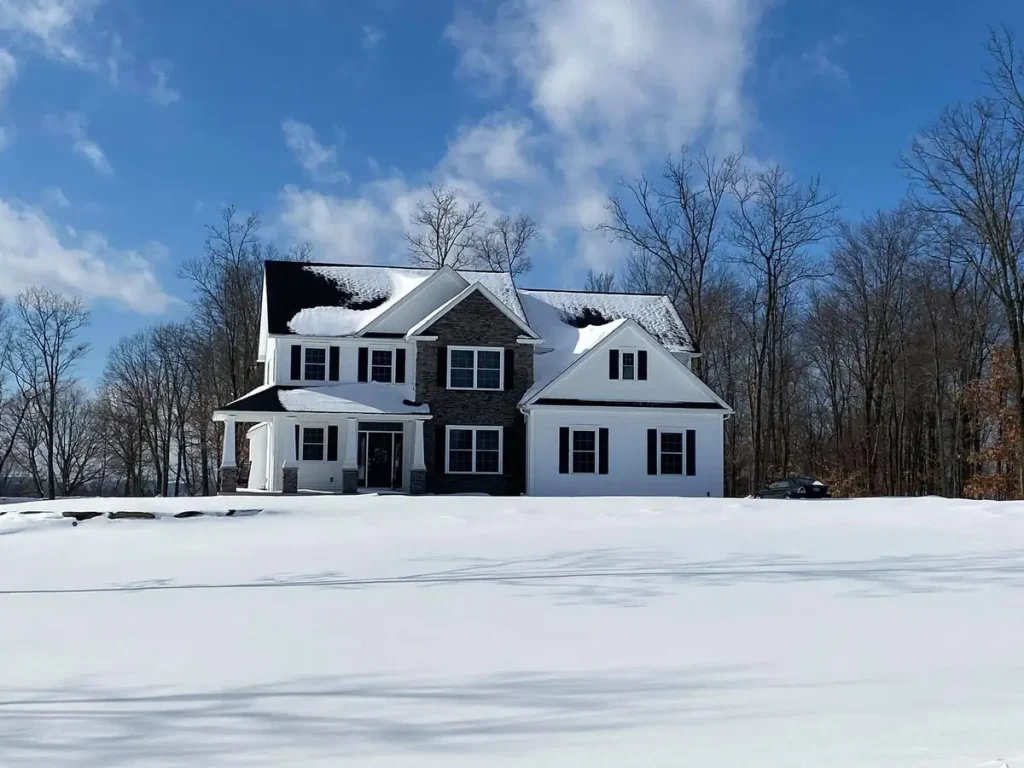
A lot of fall maintenance exists because of decisions made when a house was built. In a new custom home, it costs very little to get them right from the start: frost-free spigots with accessible indoor shutoffs, a sump pit with a battery backup and a discharge that runs well clear of the house, correct grading, gutters sized for the roof, and alarms that are hard-wired and interconnected so one sounding sets off all of them. That’s how we build, and it means a shorter list every October.
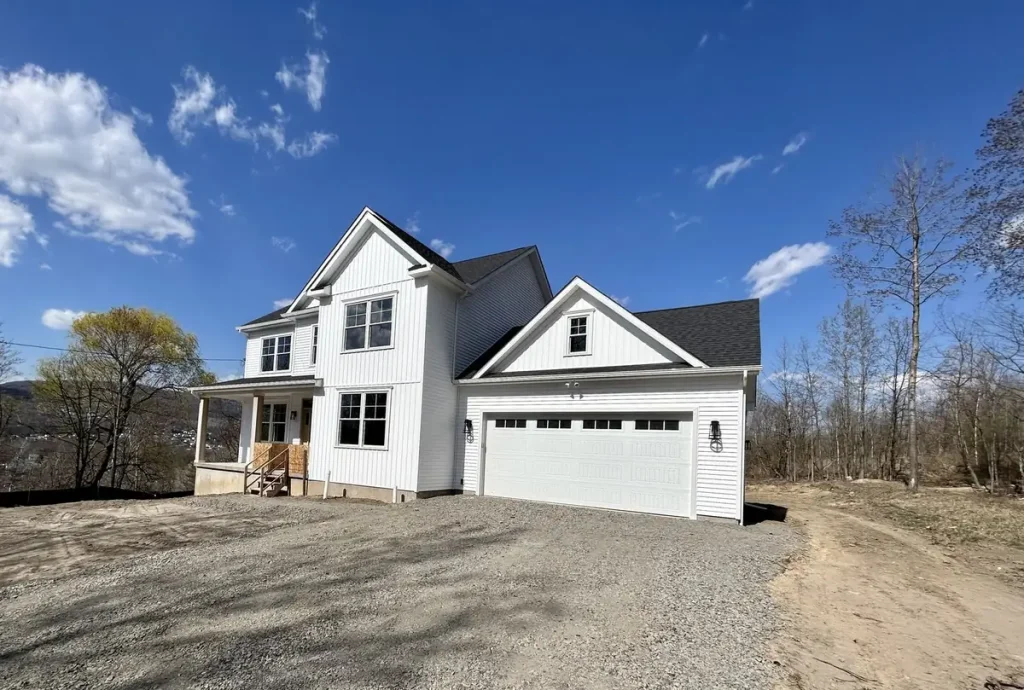
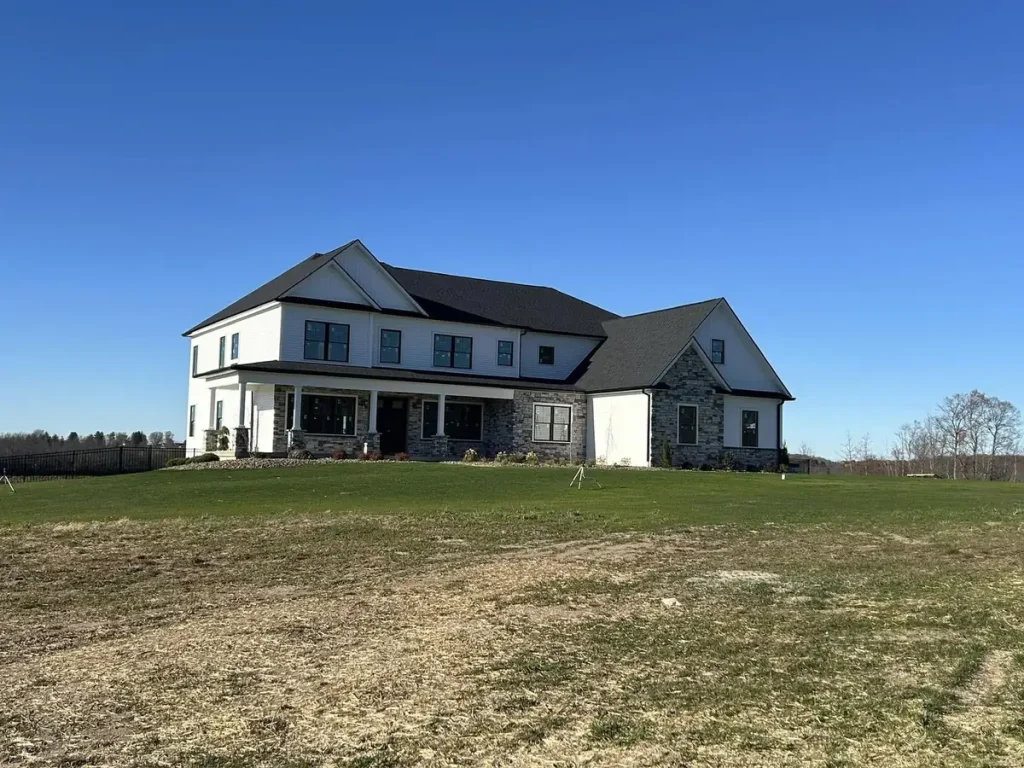
If your fall walk-around turned up soft wood, a wet basement or a drainage problem, Chris and Ryan can take a look and tell you what it will take to fix it right.
(570) 876-4663 · 466 N Main St, Eynon, PA 18403
Schedule a Free Consultation →This checklist is general guidance for homes in Northeastern Pennsylvania. Follow your equipment manufacturers’ instructions, and use licensed professionals for gas, oil, electrical and chimney work.